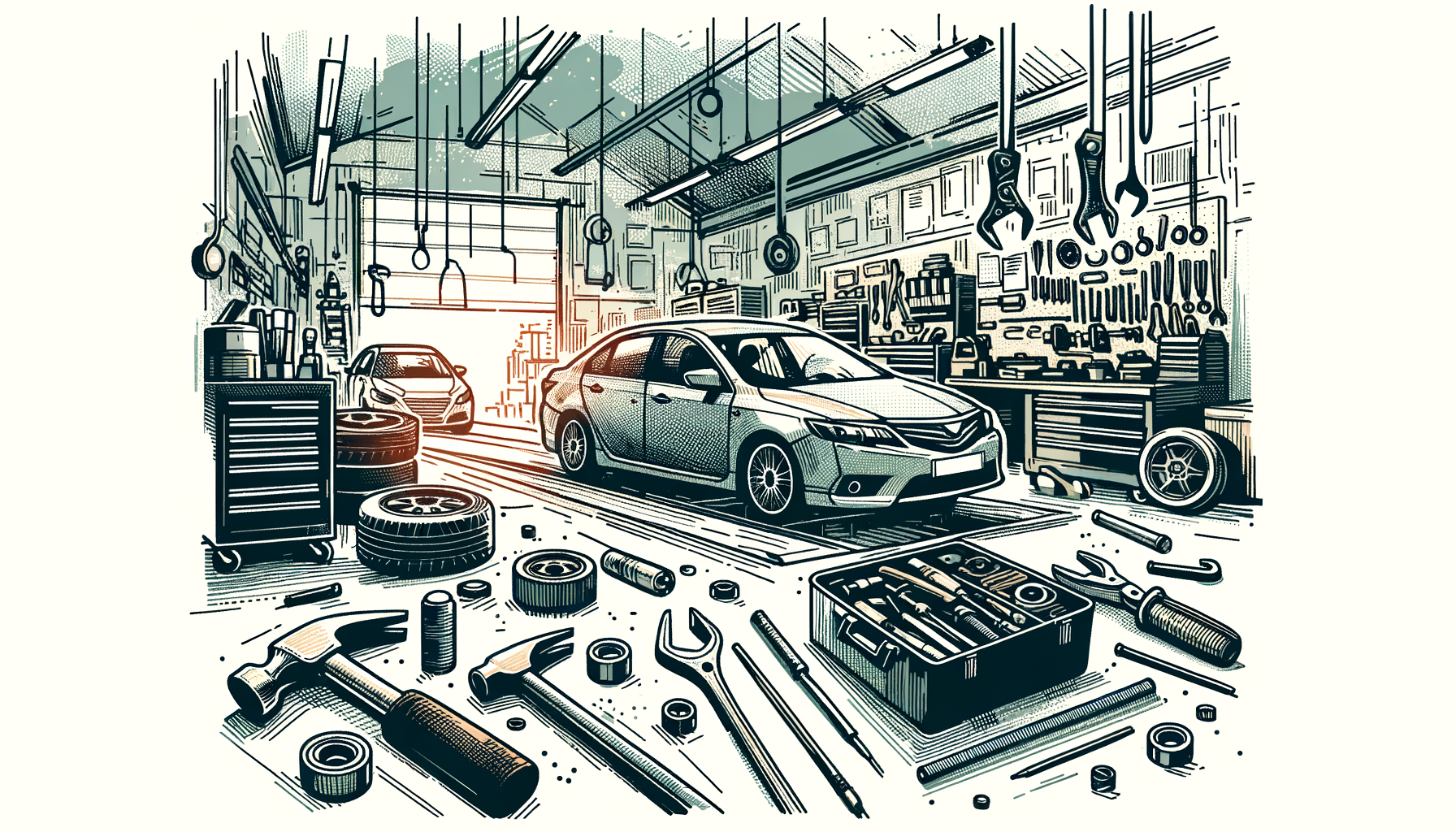
Becoming an Automotive Technician offers stable work, hands-on problem solving, and steady demand as vehicles remain essential to economies worldwide. This role blends mechanical skill with diagnostic technology, serving drivers, fleets, and manufacturers with maintenance, repair, and safety services.
Understanding the Role of a Automotive Technician
The Automotive Technician role is vital because it keeps vehicles safe, reliable, and compliant with regulations, which protects drivers and organizations while minimizing downtime and operating costs.
Technicians contribute directly to organizational goals like safety, regulatory compliance, operational efficiency, and customer satisfaction by diagnosing faults, performing repairs, and ensuring scheduled maintenance is completed correctly and on time.
- Diagnose mechanical and electrical issues using scan tools and manual inspection.
- Perform routine maintenance: oil changes, brake service, tire rotations, and fluid checks.
- Repair or replace components: engines, transmissions, suspension, and HVAC systems.
- Document repairs, parts used, and service history for compliance and warranty tracking.
Continuous learning is essential because vehicle systems evolve rapidly; technicians who pursue certifications and training stay competitive and safer on the job.
Key Skills and Qualifications for a Automotive Technician
Below is a concise, web-formatted career description that helps jobseekers understand what employers expect and how to plan a career as an Automotive Technician.
An Automotive Technician provides critical value by ensuring vehicle safety, reliability, and efficiency through accurate diagnostics, quality repairs, and preventive maintenance. The role requires technical knowledge of mechanical systems, electrical diagnostics, and diagnostic software, combined with practical skills in welding, parts replacement, and test-driving. Typical responsibilities include interpreting repair orders, using diagnostic tools to locate faults, replacing worn or broken components, and validating repairs through testing. Employers generally seek candidates with a high school diploma or equivalent, completion of an automotive technology program or apprenticeship, ASE certifications (or equivalent), and experience with modern diagnostic equipment.
Strong communication skills, attention to detail, and a commitment to safety are necessary for effective teamwork and customer interactions. Career growth can lead to master technician roles, shop management, specialized diagnostics, or OEM service positions, especially for those who pursue continuous training and advanced certifications.
- Educational background: high school diploma, vocational certificate, or associate degree in automotive technology
- Certifications: ASE certifications or manufacturer-specific credentials
- Technical skills: electrical diagnostics, engine repair, transmission, HVAC, braking systems
- Tools & equipment: familiarity with scan tools, oscilloscopes, lifts, and hand/power tools
- Soft skills: communication, problem-solving, time management, and customer service
- Experience: shop or fleet experience, internships, or documented hands-on projects
Experience and Industry Knowledge
Employers hire Automotive Technicians who combine hands-on repair experience with technical knowledge of vehicle systems, electronics, and safety standards.
Practical experience often includes working in independent shops, dealerships, or fleet maintenance, where technicians complete diagnostics, routine maintenance, and complex repairs under time and quality expectations.
- Core technical tasks and achievements: successful diagnostics of intermittent electrical faults, overhaul or replacement of major driveline components, and consistent on-time completion of preventive maintenance schedules.
- Industry qualifications: ASE certifications, manufacturer training programs, and documented safety training or OSHA awareness for shop environments.
- Essential soft skills: teamwork with service advisors and parts staff, clear communication with customers about repairs and costs, and adaptability to new vehicle technologies and diagnostic processes.
Top Employers for Automotive Technician Worldwide
Below is a curated list of reputable employers that hire Automotive Technicians and offer structured training, certification support, and career progression opportunities.
- Toyota — Global OEM with extensive dealer network offering manufacturer training and certification programs for technicians.
- Ford Motor Company — Major automaker providing technical apprenticeship programs and access to advanced diagnostic tools for technicians.
- General Motors (GM) — Offers OEM-specific training and clear career pathways in dealership and fleet service environments.
- Continental — Leading supplier and service provider focused on vehicle electronics and advanced systems, hiring technicians for diagnostics and testing roles.
- Large Fleet Operators & Mobility Service Providers — Companies such as rental fleets and logistics providers invest in technician training to ensure fleet uptime and regulatory compliance.
Frequently Asked Questions
- How do I start a career as an Automotive Technician?
Begin with a high school diploma and enroll in an automotive technology program or apprenticeship, gain hands-on experience in a shop, and pursue ASE or manufacturer certifications to improve employability. - Which certifications matter most?
ASE certifications are widely recognized; manufacturer-specific certifications are valuable for dealership roles and often required for warranty work. - What salary can I expect?
Pay varies by region, experience, and employer. Entry-level technicians often earn hourly wages that grow with certifications, specialized skills, and years of experience. - Is prior experience necessary to get hired?
Many employers accept entry-level candidates with formal training or apprenticeships, but experienced technicians command higher wages and faster advancement. - How can I advance my career?
Advance by earning higher-level certifications, specializing in diagnostics or EV systems, gaining leadership experience, or moving into shop management or OEM technical roles.
Conclusion
Automotive Technicians play a crucial role in maintaining vehicle safety, reliability, and efficiency, and the career offers clear pathways through education, certification, and hands-on experience; jobseekers should prioritize structured training, ASE or manufacturer credentials, and continuous skills development to advance to higher-paying and specialized roles while contributing meaningfully to employers and customers.