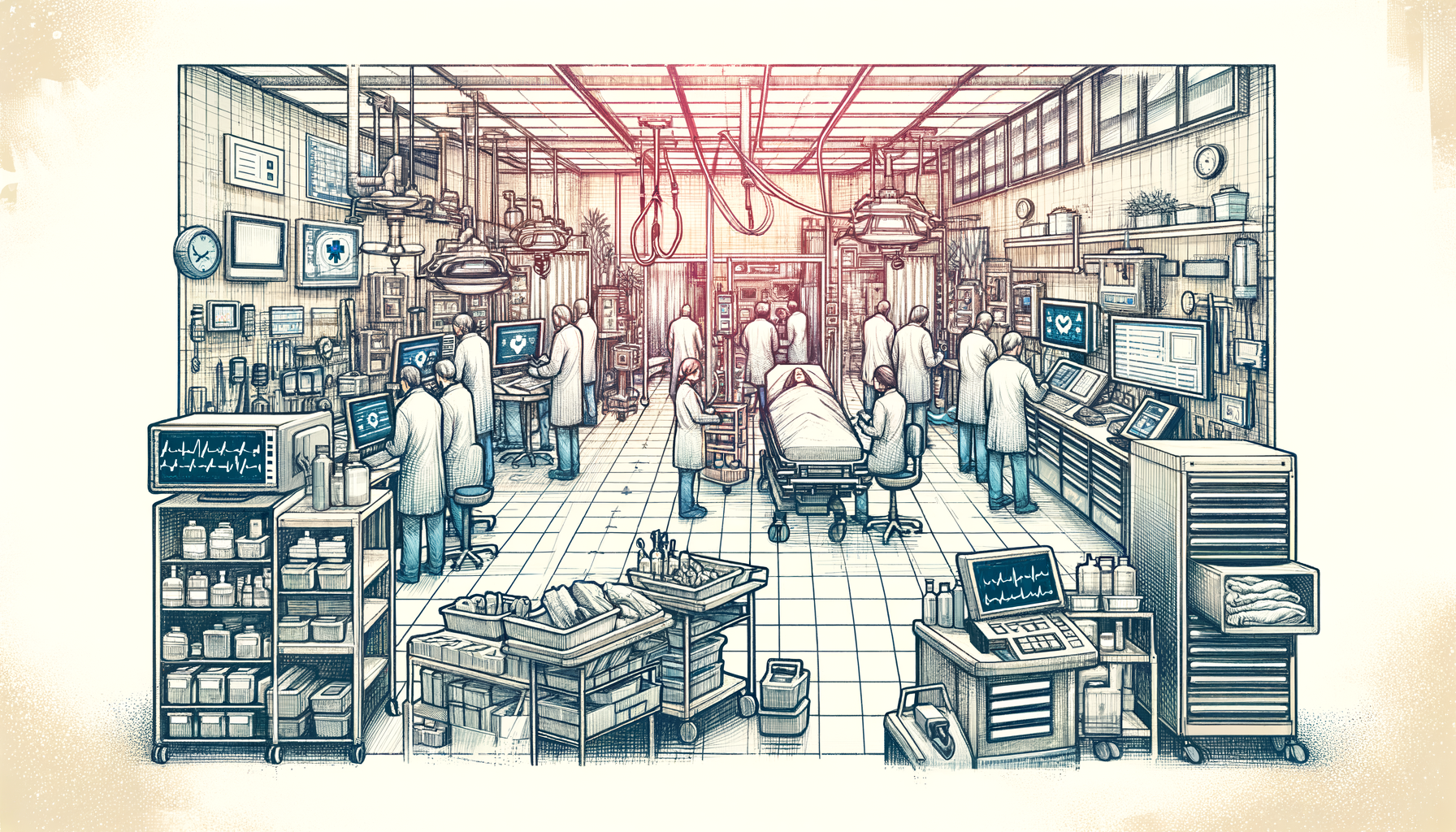
The Emergency Room Technician role is a frontline healthcare position that supports emergency medicine teams by providing rapid, hands-on clinical and logistical assistance to stabilize patients and keep emergency departments running smoothly.
Understanding the Role of a Emergency Room Technician
The Emergency Room Technician is critical to hospital operations because they ensure patient care flows efficiently during high-pressure situations and support clinical staff to meet safety, compliance, and throughput goals. Their work directly affects patient outcomes, departmental metrics, and adherence to regulatory standards.
Below are the most common day-to-day responsibilities that keep emergency departments functional and safe.
- Assist with triage, initial patient assessment, and vital signs monitoring to quickly identify urgent care needs.
- Support clinical procedures such as wound care, splinting, airway management preparation, and specimen collection.
- Maintain and sanitize equipment, restock supplies, and manage patient transport within the hospital to maximize efficiency.
- Document patient encounters, communicate changes in condition to nurses or physicians, and help maintain compliance with clinical protocols.
Continuous learning and professional development are essential; staying current with clinical skills, certifications, and emergency protocols helps technicians provide safer and more effective care while advancing their careers.
Key Skills and Qualifications for a Emergency Room Technician
The Emergency Room Technician role delivers immediate clinical value by stabilizing patients, assisting with acute interventions, and ensuring the emergency department operates within quality and safety standards. Candidates must be skilled at rapid assessment, basic life support, and technical procedures. They typically need a high school diploma or equivalent plus certification such as BLS (Basic Life Support) and often state or employer-specific emergency medical technician (EMT) credentials or on-the-job training. Strong communication, stress tolerance, teamwork, and attention to detail are essential. Technicians frequently perform tasks like taking vitals, starting IVs or assisting with them, preparing patients for procedures, and handling specimen labeling and documentation. Employers look for reliable attendance and the ability to prioritize during surge periods. With experience and additional certifications, Emergency Room Technicians can progress into advanced roles such as EMT/Paramedic, surgical tech, or nursing, and can pursue supervisory positions within emergency services.
- BLS/CPR certification (required)
- EMT certification or clinical training (preferred or required depending on employer)
- Experience with phlebotomy, EKGs, and basic wound care
- Strong interpersonal and teamwork skills
- Attention to documentation, infection control, and safety protocols
Clinical Competencies
Emergency Room Technicians must be adept at rapid patient assessment, safe specimen handling, vital sign monitoring, and basic emergency procedures. Familiarity with hospital information systems and triage flow helps them contribute immediately.
Interpersonal and Operational Skills
Technicians need clear communication, stress management, and collaboration skills to function in multidisciplinary teams. Operationally, they must manage supplies, support patient transport, and help maintain a clean, compliant environment.
Experience and Industry Knowledge
Successful Emergency Room Technicians combine hands-on clinical experience with a solid understanding of emergency department workflows and regulatory requirements. Relevant experience often includes previous roles in EMS, urgent care, or hospital support positions.
- Practical experience with vital sign monitoring, basic life support, and emergency room procedures.
- Documented achievements such as reduced turnaround times for patient transports or consistent compliance with infection-control audits.
- Familiarity with electronic health records, triage protocols, and hospital safety policies.
Essential soft skills for collaboration include clear verbal communication, adaptability under pressure, empathy with patients, and the ability to follow direction from nurses and physicians. These traits improve team performance and patient satisfaction.
Top Employers for Emergency Room Technician Worldwide
Below are reputable organizations that commonly hire Emergency Room Technicians, with links to their official career pages for jobseekers to explore open positions and hiring requirements.
- Mayo Clinic — A leading academic medical center known for complex emergency care and strong clinical training programs.
- Cleveland Clinic — Renowned for emergency and trauma services and for offering structured professional development for clinical support staff.
- National Health Service (NHS) — The UK-wide public health system employs large numbers of emergency support staff and provides standardized training pathways.
- HCA Healthcare — A major private hospital network with numerous emergency departments and career mobility opportunities.
- Siemens Healthineers (Hospital Partners) — While not a direct employer for clinician roles in all markets, Siemens partners with hospitals worldwide and is a key employer in health technology and clinical services where technicians can find allied roles.
Each of these organizations has a distinct hiring process and credential expectations; review their career pages to target applications effectively.
Frequently Asked Questions
The following are common questions jobseekers ask about becoming or advancing as an Emergency Room Technician, answered from a career-advice perspective.
- What certifications do I need to become an Emergency Room Technician?
Most employers require Basic Life Support (BLS/CPR) at a minimum; many prefer or require EMT certification, and additional credentials such as phlebotomy or EKG training are valuable. - How do I gain experience if I'm new to emergency care?
Consider entry-level positions in EMS, urgent care, or hospital support units, volunteer shifts in emergency departments, or short certification courses to build clinical skills and a competitive resume. - What are typical career advancement paths?
Technicians can advance to EMT/Paramedic roles, pursue nursing school, specialize in areas like trauma or pediatrics, or move into supervisory or education roles within emergency services. - What soft skills matter most for this job?
Communication, teamwork, stress tolerance, adaptability, and attention to detail are critical because the role involves fast-paced collaboration and precise execution under pressure. - How should I prepare for interviews for an Emergency Room Technician position?
Emphasize hands-on skills, certifications, examples of teamwork under pressure, reliability, and familiarity with clinical protocols. Bring documentation of certifications and be ready to discuss scenario-based responses.
Conclusion
Emergency Room Technicians play a vital, hands-on role in patient stabilization and emergency department efficiency; by developing clinical certifications, practical experience, and strong soft skills, jobseekers can secure and advance in these roles and contribute meaningfully to patient care and departmental outcomes. Thank you for reading and best wishes as you pursue a career in emergency care.