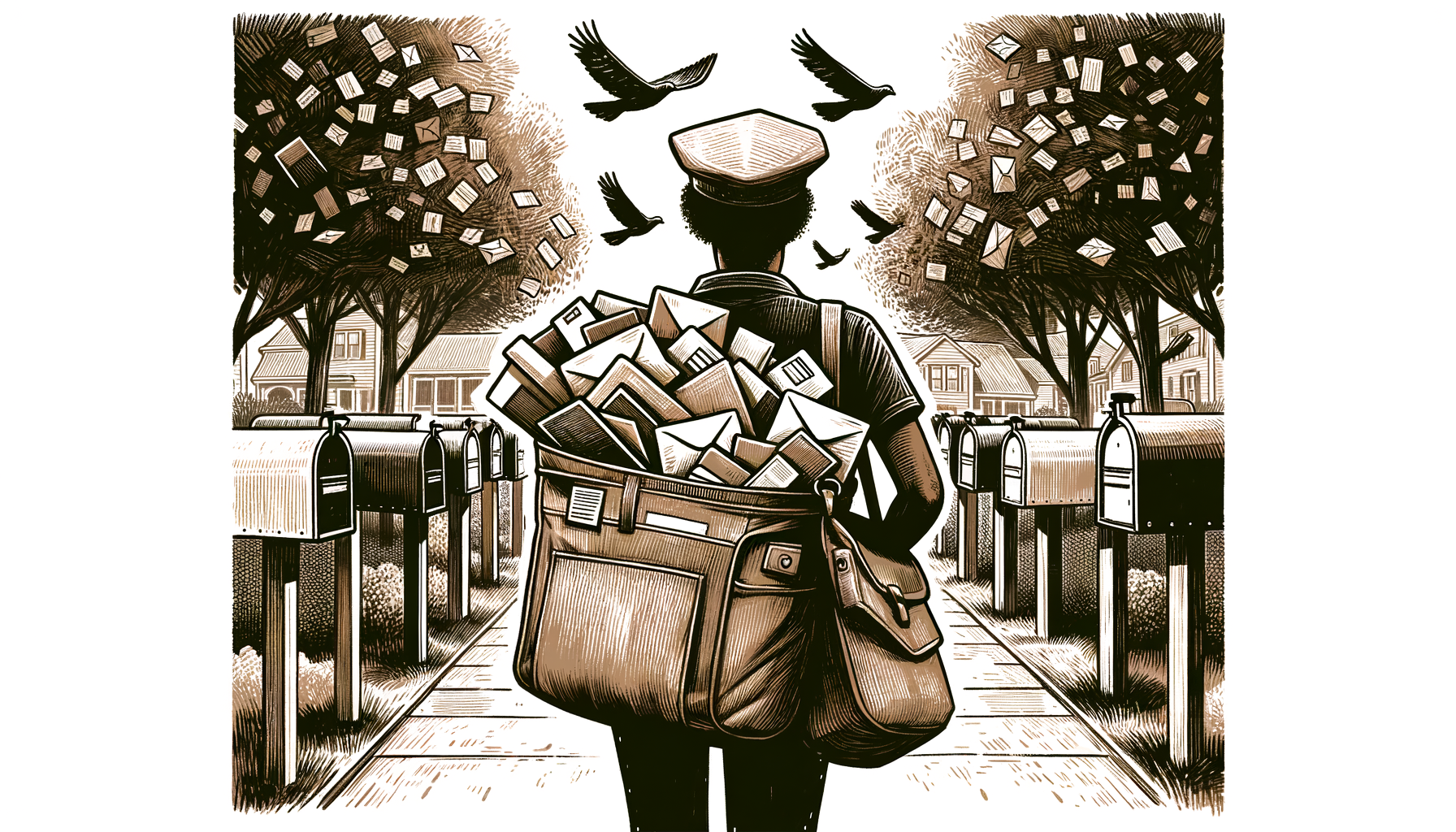
The Mail Carrier role is a frontline position in the logistics and postal sector, ideal for jobseekers who value routine, customer interaction, and dependable work. This article explains what the role involves, the skills and experience employers seek, and practical steps to build a long-term career in mail delivery.
Understanding the Role of a Mail Carrier
The Mail Carrier role is essential because it ensures reliable delivery of communication and goods, supports business operations, and upholds legal and regulatory standards for sending and receiving mail. Employers rely on carriers to maintain compliance with postal regulations, protect customer privacy, and contribute to community safety and local commerce.
- Sort and organize incoming and outgoing mail for efficient delivery routes.
- Deliver letters, packages, and registered mail on scheduled routes while obtaining signatures when required.
- Maintain accurate delivery records and handle returns, undeliverable items, and special handling requests.
- Inspect and maintain delivery equipment and follow safety procedures while working in varied weather and traffic conditions.
Continuous learning and professional development are important for carriers who want to improve route efficiency, advance to supervisory roles, or transition into broader logistics positions.
Key Skills and Qualifications for a Mail Carrier
Mail Carriers play a critical role in community connectivity and business operations; they must be reliable, detail-oriented, and customer-focused to ensure timely and accurate delivery. The position requires physical stamina for walking or driving routes, basic maintenance knowledge for delivery equipment, and familiarity with address systems and postal regulations. Employers also expect strong communication skills for interacting with customers and colleagues, basic record-keeping accuracy, and the ability to manage time effectively across a route. Typical qualifications include a high school diploma or equivalent, a valid driver's license for vehicle routes, successful completion of postal exams or employer training, and a clean background check. Opportunities for advancement exist in route supervision, operations coordination, and broader logistics or distribution roles as carriers gain experience and demonstrate leadership.
- Physical fitness and endurance for walking, lifting, and handling parcels safely.
- Time management and route-planning skills to meet delivery schedules.
- Knowledge of postal regulations, address systems, and handling of restricted items.
- Customer service skills and professionalism for community-facing interactions.
- Basic technical literacy for handheld scanners, routing apps, and record-keeping.
Experience and Industry Knowledge
Practical experience and relevant industry knowledge make candidates more competitive for Mail Carrier roles. Employers value hands-on exposure to route work, sorting operations, and customer service in mailrooms, warehouses, or courier settings. Demonstrated achievements like consistent on-time delivery rates, low loss/damage records, or improvements in route efficiency can set applicants apart. Below are core experience areas and key qualifications hiring managers look for:
- Prior experience in delivery, warehousing, or postal operations; familiarity with sorting systems and route optimization techniques.
- Achievements such as maintaining high accuracy in delivery records, reducing missed deliveries, or implementing time-saving practices on a route.
- Certifications or training in safe driving, handling hazardous materials (where applicable), and customer service programs.
- Soft skills: reliability, adaptability, clear communication, teamwork with dispatch and supervisors, and a customer-service mindset for resolving delivery issues.
Top Employers for Mail Carrier Worldwide
Below is a curated list of major employers that regularly hire Mail Carriers and provide structured training, career progression, and benefits. Each entry links to the employer's official site for jobseekers to explore openings and application details.
- United States Postal Service (USPS) — A large public postal operator with widespread routes and a strong hiring pipeline for carriers in urban and rural areas.
- Royal Mail — The UK’s national postal service, offering roles across delivery, parcel operations, and seasonal hiring peaks.
- Canada Post — Canada’s main postal operator, notable for route-based roles and opportunities in sorting and delivery logistics.
- Deutsche Post DHL Group — A global logistics provider with diverse delivery roles that include mail, parcels, and international logistics services.
- Japan Post — A major national postal operator with structured career paths in delivery and community postal services.
Frequently Asked Questions
The following FAQs address common concerns jobseekers have when considering a Mail Carrier career, with practical advice from a career perspective.
- What qualifications do I need to become a Mail Carrier?
A high school diploma or equivalent is commonly required, along with a valid driver’s license for vehicle-based routes. Many employers provide on-the-job training and require a background check; specialized exams (postal entrance tests) may be needed depending on the country. - How physically demanding is the job?
The work is moderately to highly physical, involving walking long distances, lifting parcels, and exposure to weather. Physical fitness and safe lifting practices are important to avoid injury. - What are typical working hours and schedules?
Schedules vary by employer and route: many carriers work early mornings and weekdays, while some roles include weekends or seasonal overtime. Shift predictability improves with seniority and route stability. - How can I progress beyond an entry-level carrier role?
Aim for consistent performance, low error rates, and leadership in safety and efficiency initiatives. Pursue additional training, certifications, and internal promotional exams to move into supervisory, training, or operations roles. - What skills make an applicant stand out?
Reliability, punctuality, strong customer service, route-planning ability, and comfort with handheld devices and basic record-keeping will differentiate candidates. Demonstrated problem-solving on routes and safe driving records are also valuable.
Conclusion
Becoming a successful Mail Carrier combines reliability, physical stamina, customer service, and attention to detail, supported by on-the-job training and a readiness to learn route optimization and postal regulations; jobseekers who demonstrate consistent performance, safety awareness, and a willingness to develop technical and interpersonal skills can build steady careers with opportunities to advance into supervisory or logistics roles, and should actively seek training, certifications, and employer resources to progress professionally.